
Alexandra Lefort

ITAR Compliance: A Guide for Defense Electronics

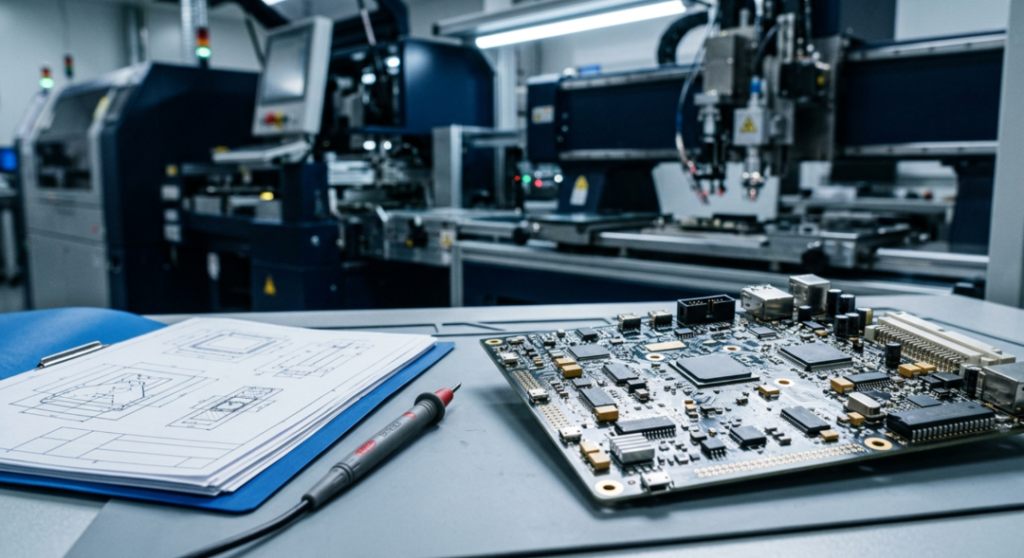
This article explores the critical nature of ITAR compliance in defense electronics manufacturing. It explains the core requirements for managing technical data and defense articles while highlighting the impact these regulations have on the supply chain. For engineering and procurement leaders, the content emphasizes why choosing a domestic, ITAR-compliant partner—like American Precision Electronics—is essential for safeguarding intellectual property and meeting high-reliability standards. Readers will learn how integrating DFM analysis with strict regulatory adherence prevents costly production errors, strengthens supply chain integrity, and supports national security initiatives. The guide offers actionable advice for maintaining oversight of tier-level suppliers and ensuring digital security, positioning compliant, local manufacturing as the primary strategy for mitigating geopolitical and regulatory risks.

ITAR Compliance: A Guide for Defense Electronics Read More »
Mastering Design for Manufacturability in Electronics

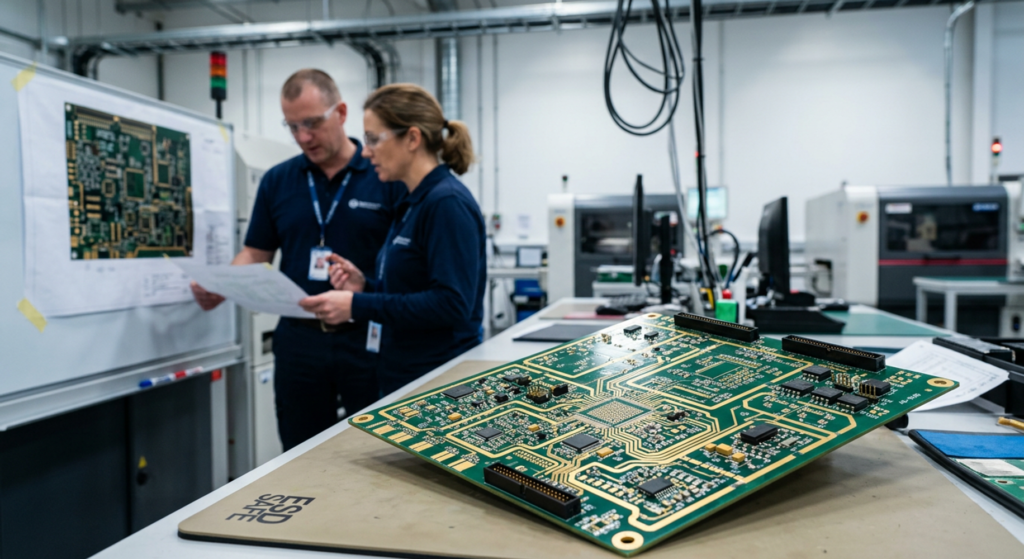
This article explores the fundamentals of design for manufacturability (DFM) in the context of high-reliability electronics. It addresses why DFM is a strategic asset for aerospace and defense projects, debunking the myth that it slows development. Readers learn about the five key factors defining effective DFM, including PCB layout optimization, thermal management, and regulatory compliance. By emphasizing domestic precision and early partnership, the guide highlights how professional DFM analysis minimizes rework costs and ensures mission-critical reliability.

Mastering Design for Manufacturability in Electronics Read More »

Understanding AS9100 Certification: A Guide to Quality

This article explores the critical importance of AS9100 certification in the aerospace and defense manufacturing sectors. We define the core principles of the standard, explaining how it goes beyond basic quality management by integrating deep risk mitigation, full component traceability, and rigorous supply chain control. Readers will learn the distinct differences between standard quality processes and the specialized requirements of AS9100, which prioritize long-term reliability and mission-critical performance. We further discuss how AS9100-certified domestic manufacturing protects intellectual property and reduces the high costs associated with production defects. Finally, the content emphasizes the value of engineering-led design reviews to bridge the gap between initial prototyping and scalable production, providing a roadmap for risk-averse organizations to ensure their hardware meets the most demanding industry standards.

Understanding AS9100 Certification: A Guide to Quality Read More »

5 Hidden Costs of Offshore PCB Sourcing

Offshore PCB sourcing introduces significant operational and financial risks that often outweigh initial cost savings. For leaders in aerospace, defense, and medical sectors, the hidden costs manifest as IP theft, volatile tariff impacts, missed shipping deadlines, technical communication friction, and an inability to conduct rigorous audits. These risks threaten program integrity and fail to meet the stringent documentation and compliance requirements essential for mission-critical components. By transitioning to domestic manufacturing, organizations gain the transparency, operational control, and technical reliability required to ensure project success. This article provides a strategic look at how to move beyond unit-price metrics to evaluate the true costs of a globalized supply chain, emphasizing the necessity of domestic partnerships in maintaining quality, security, and consistent production schedules.

5 Hidden Costs of Offshore PCB Sourcing Read More »

What DFM Review Actually Catches (and When It’s Too Late)

This article explores why early Design for Manufacturability (DFM) reviews are vital for mission-critical industries. It covers six common layout errors—including annular ring issues, solder mask slivers, and assembly access problems—and explains how catching these at the prototype stage leads to costly respins, schedule slips, and project risks. By prioritizing early, domestic manufacturing collaboration, engineers can ensure reliability and project continuity. American Precision Electronics provides the technical expertise and transparent communication necessary to optimize your design before it hits the production floor, safeguarding your programs and delivering repeatable, compliant builds.

What DFM Review Actually Catches (and When It’s Too Late) Read More »